
History of Rosemary Hills ES | Rosemary Hills Alumni Memories | Woodlin Alumni Memories
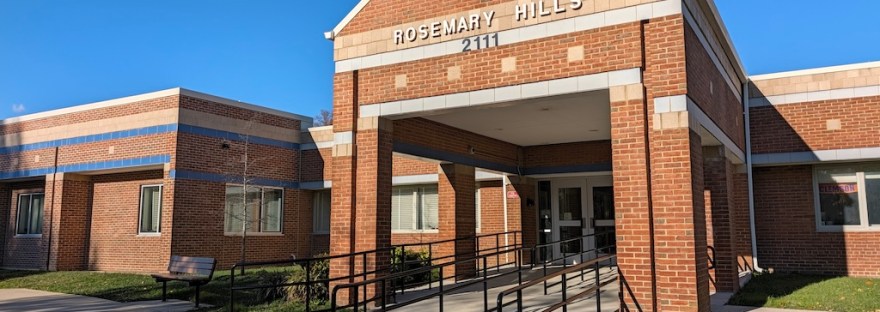
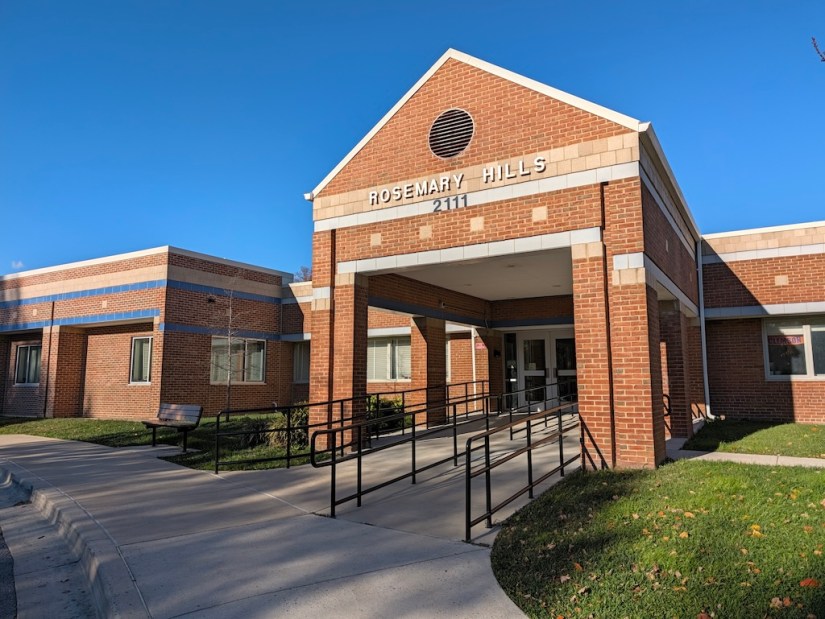
Two years after racial segregation of schools was ruled unconstitutional by the U.S. Supreme Court, Rosemary Hills Elementary School was the first new Montgomery County Public School to open and be racially integrated from the very start. In November 1956, exactly 70 years ago this month, Rosemary Hills ES was dedicated.
Below is a 1956 Montgomery County Sentinel article about the opening of the school and how the community addressed concerns raised about integration beforehand. It is followed by some links to further information about the school’s history, including the community’s fight to save the school in the early 1980’s, and some memories shared by community members who attended the school during its first year.
The year before Rosemary Hills ES opened, Woodlin Elementary School, located in North Woodside on the other side of the Talbot Avenue Bridge, integrated. Lyttonsville (Linden) children attended both elementary schools, and others as well. Also below are some memories shared by one who attended Rollingwood ES and then Woodlin ES in the 1950s.
Immediately following the 9th Annual Talbot Avenue Bridge Lantern Walk on November 14, 2026, there will be a community reception in Rosemary Hills ES’s All-Purpose Room during which we will celebrate our local elementary schools’ 70+ years of integration!
A Story of Co-Operation
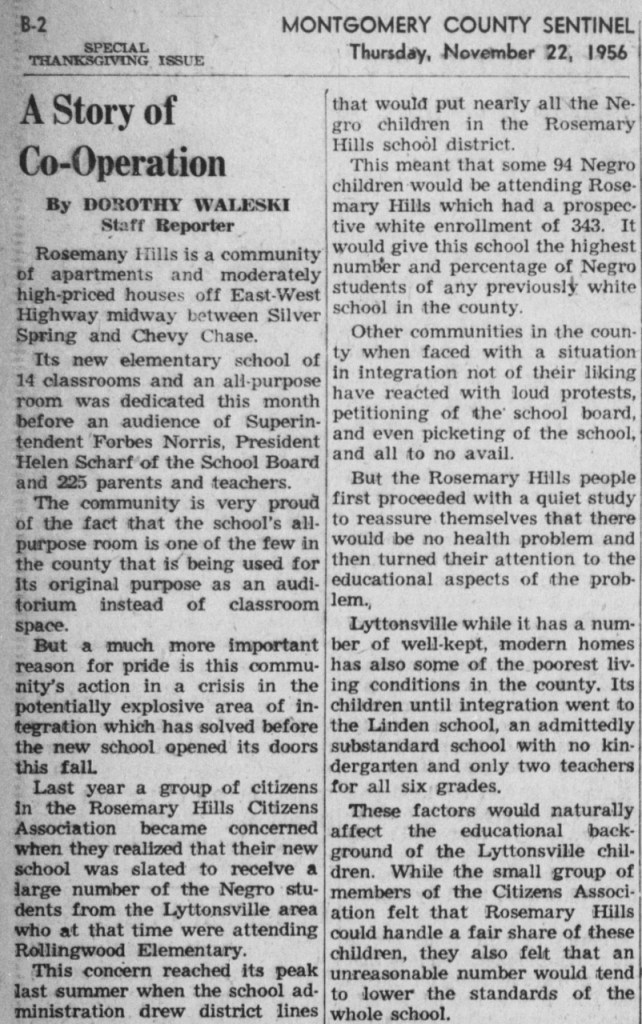
By Dorothy Waleski
Staff Reporter, Montgomery County Sentinel
November 22, 1956
Rosemary Hills is a community of apartments and moderately high-priced houses off East-West Highway midway between Silver Spring and Chevy Chase.
Its new elementary school of 14 classrooms and an all-purpose room was dedicated this month before an audience of Superintendent Forbes Norris, President Helen Scharf of the School Board and 225 parents and teachers.
The community is very proud of the fact that the school’s all-purpose room is one of the few in the county that is being used for its original purpose as an auditorium instead of classroom space.
But a much more important reason for pride is this community’s action in a crisis in the potentially explosive area of integration which has solved before the new school opened its doors this fall.
Last year a group of citizens in the Rosemary Hills Citizens Association became concerned when they realized that their new school was slated to receive a large number of the Negro students from the Lyttonsville area who at that time were attending Rollingwood Elementary.
This concern reached its peak last summer when the school administration drew district lines that would put nearly all the Negro children in the Rosemary Hills school district.
This meant that some 94 Negro children would be attending Rosemary Hills which had a prospective white enrollment of 343. It would give this school the highest number and percentage of Negro students of any previously white school in the county.
Other communities in the county when faced with a situation in integration not of their liking have reacted with loud protests, petitioning of the school board, and even picketing of the school, and all to no avail.
But the Rosemary Hills people first proceeded with a quiet study to reassure themselves that there would be no health problem and then turned their attention to the educational aspects of the problem.
Lyttonsville while it has a number of well-kept, modern homes has also some of the poorest living conditions in the county. Its children until integration went to the Linden school, an admittedly substandard school with no kindergarten and only two teachers for all six grades.
These factors would naturally affect the educational background of the Lyttonsville children. While the small group of members of the Citizens Association felt that Rosemary Hills could handle a fair share of these children they also felt that an unreasonable number would tend to lower the standards of the whole school.
They appealed to Dr. Norris and his staff who reexamined the situation and came to the conclusion that they had no alternative to the existing plan to send all 94 Negro students to Rosemary Hills.
The school administration pointed out that the school had a capacity of 450 and though the full number of Negro pupils would make class sizes averaging over 30, they planned to set up two special classes to handle retarded children and cut their proportion in the regular classes.
A suggestion from the small but insistent group of Rosemary Hills citizens that the railroad “spur line,” the dividing line between the white communities be extended to the Negro community was turned down by the staff at first.
It would have mean sending some 42 more Negro children to Woodlin elementary where 24 were already enrolled in a 401 capacity school with a total enrollment of 420. Any increase here would mean double sessions for the whole school.
At this point, with the citizens group still unsatisfied, County PTA mediators quietly entered the picture. In discussions with the citizens they pointed out the importance of keeping the negotiations on an unemotional practical level with the school administration.
Any appeal to the school board with its resulting publicity would, in the opinion of the PTA people, only force the superintendent to stick to his guns and the school board to back him, as had been the case elsewhere.
To the superintendent, it was pointed out that the Rosemary group appeared both fair-minded and intelligent about the situation that they were ready to accept wholeheartedly 56 of the Negro children and to extend a helping hand to them if necessary but they felt that educationally it was a problem that might better be spread over more than one community.
Dr. Norris then came to the conclusion in his own mind that by putting such a large number of Negro students in one school he would be violating his own principal of maintaining educational standards. He agreed to explore the possibility of another arrangement.
The PTA mediators made an information check of the Negro community to see if there would be objection to transporting the 42 Negro children on the other side of the railroad to a third school not far away—Rock Creek Forest Elementary. There was no reported objection.
Dr. Norris consulted the principal of this school. She was willing to take the 42 children since her 510-capacity school had only 398 children expected. However, the trustees of the school rejected the proposal on the grounds that new homes being built in the vicinity would more than fill the school without the Negro children.
Rosemary Hills people contested these figures and made a survey of the area. Dr. Norris called in the leaders of the two groups for a conference.
It was admitted that the new pupil figures for Rock Creek Forest were somewhat inflated and that the school would have room for the 42 Negro children. The trustees agreed to accept them.
That both schools have accepted the Negro children assigned to them is evident in the fact that the two principals report no objects from parents and no problems because of integration and also no lowering of standards since the opening of school.
Rosemary Hills has also accepted its four Negro teachers, the largest number assigned to any one integrated school in the county.
At its first PTA meeting in the fall a Negro parent was elected trustee amidst a burst of spontaneous applause.
The organizing committee of the PTA which had not taken part in the Citizens Association protest consisted of representatives from Lyttonsville, the apartment area and the residential area.
Negro parents are well represented at all the PTA meetings and have volunteered and been invited to work on committees.
At the dedication ceremony, a Negro and a white parent served as co-hostesses to launch the new school smoothly on its integrated way.
Links to More Information
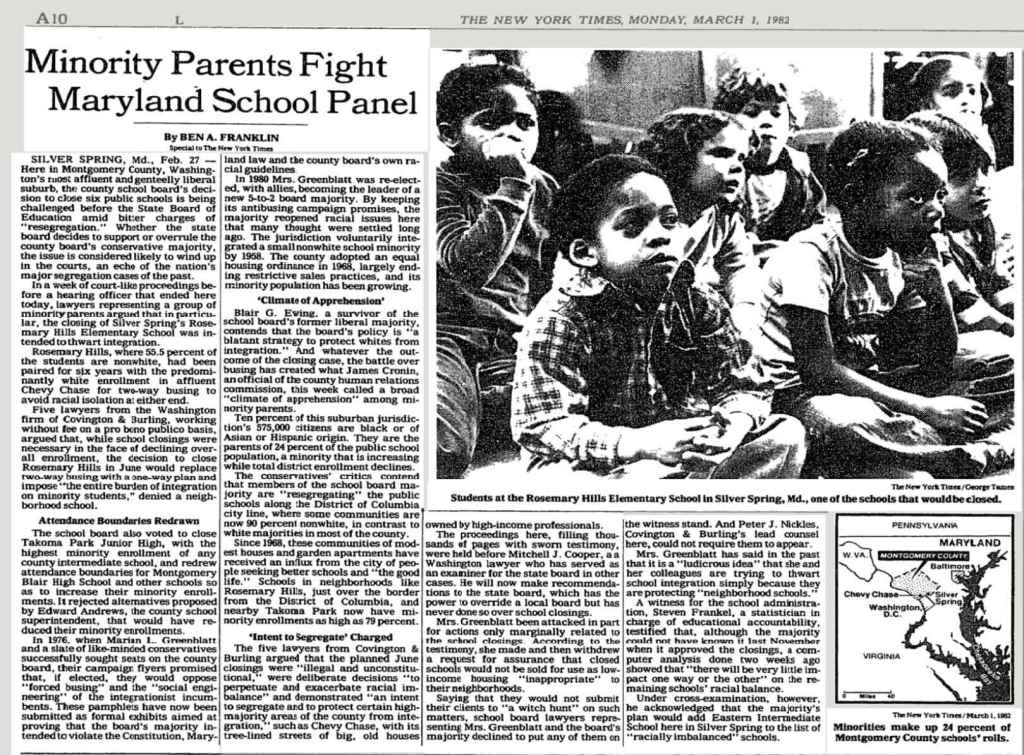
For more information about the history of Rosemary Hills Elementary School, including the community’s fight to keep it open in the early 1980s, see:
- Chronology of Rosemary Hills Elementary School Washington Post, May 22, 1988
- Montgomery Board to Close Minority Area Grade School Board to Close Rosemary Hills School, Symbol of Integration By Alison Muscatine, Washington Post, November 19, 1981
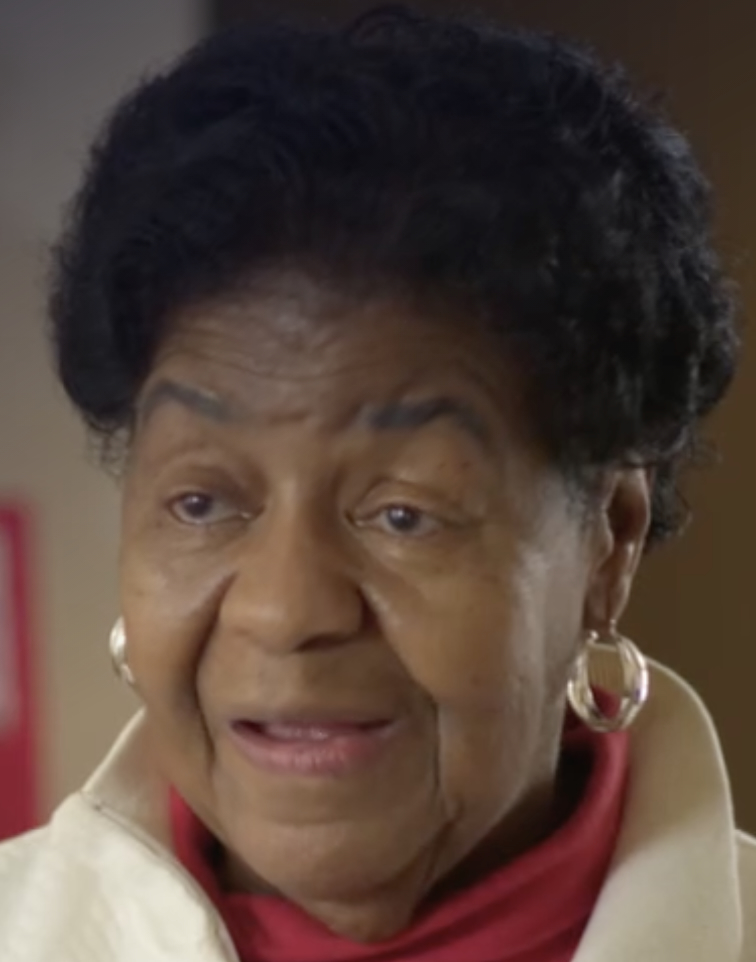
Image from The Bridge by Jay Mallin, included in My Linden, My Lyttonsville
Charlotte Coffield, a founding member of the Talbot Avenue Bridge Committee, and her sister Gwendolyn Coffield attended the two-room Linden schoolhouse off of Brookville Rd. Learn more about her and other community members’ experience there prior to school desegregation in My Linden, My Lyttonsville by Curtis Crutchfield (click link and go to 40:25).
Dr. Coffield’s daughter, Myra Coffield, attended Rosemary Hills Elementary School in the 1960s and her sister Gwendolyn Coffield (after whom the local community recreation center is named) ran the Community School at Rosemary Hills Elementary School from 1969 until her death in 1996. The Community School provided a wide array of free classes and services to community members of all ages, from very young to senior citizens. Classes took place between 3:00-10:00pm and subjects included gymnastics, arts and crafts, music, typing, English, and more.
Memories of Attending Rosemary Hills Elementary School in 1956
Rev. Ella Redfield
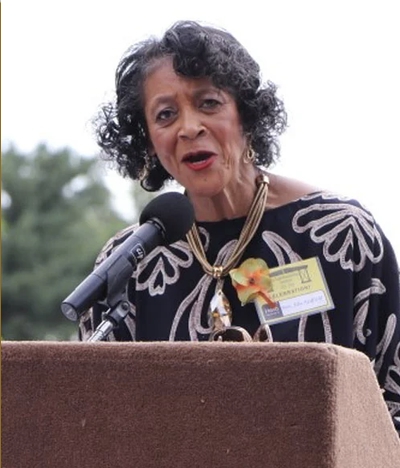
My first experience with public education was in 1954 when the Montgomery County Public Schools were integrated as a result of the Brown vs. Board of Education decision. At that time, many of us were bused to Rollingwood Elementary School in Bethesda.
When Rosemary Hills opened, I was excited about attending a new school that was walking distance from my house on Talbot Avenue. I will never forget my first misbehaving by duplicating my teacher’s pattern of writing on the board the class schedule for the day. I was playing school with friends, and I used Crayons to make a class schedule on the brick wall in front of the building. The stain remained on the building for several years.
As we honor and celebrate 70 years of the Rosemary Hills Elementary School, I feel a sense of pride that I was one of the first students to enter this new school in the community when it opened 70 years ago.
Roy Isenberg

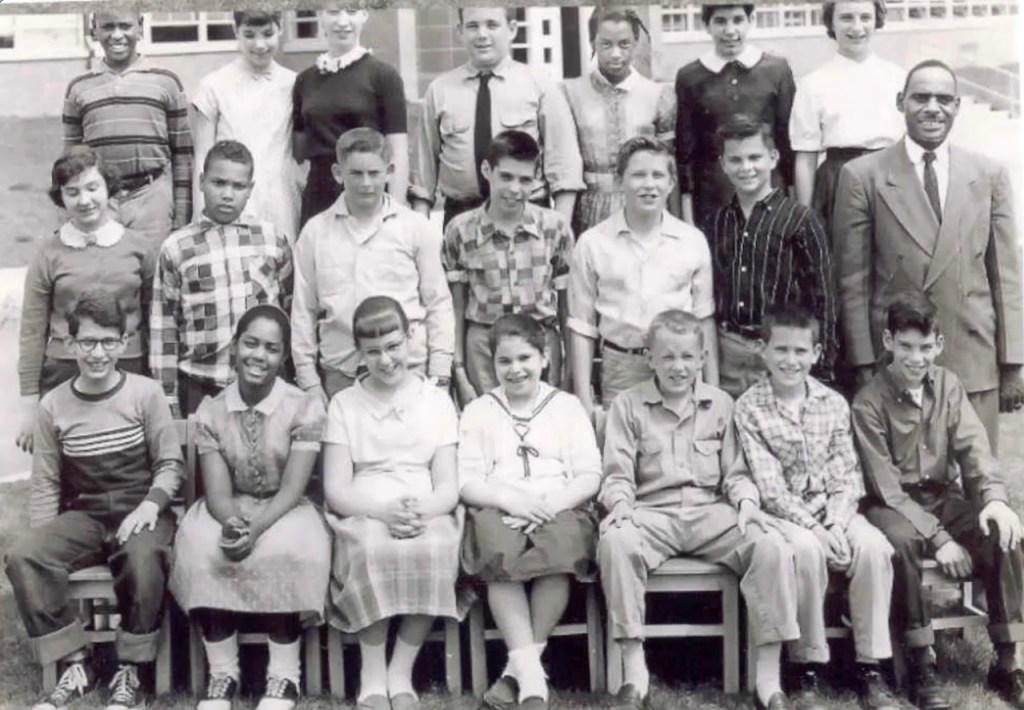
I graduated in the first graduation class at Rosemary Hills Elementary School, the first Montgomery County elementary school to be integrated from the beginning, in 1957. While conflict between Black and white students may have been anticipated, I personally witnessed none that year. The students seemed to simply focus on being attentive, mindful and respectful of one another even on the playground, while also maintaining some emotional distance. There were some conflicts, but very few. At those times the school administrators appeared to quickly intervene and resolve disagreements. The year seemed emotionally calm. Of course, I am recalling this as a white student and I would welcome and appreciate hearing how African American students experienced the school that first year.
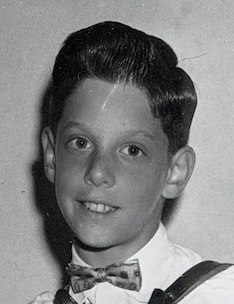
My 6th grade teacher, Ms. Mitchell, was an African American woman, my first non-white teacher. She was a wonderful woman. I got the best grades in my entire school career from her and was thankful to have her as a teacher; she was so supportive and nurturing. The other 6th grade instructor was Mr. Waters, a former military man who was also African American. He and Ms. Mitchell commuted to the school as neither lived in the adjacent neighborhoods. I don’t know if it was deliberately planned that both 6th grade instructors would be African American, but it seems it may have been so to minimize class placement requests by parents. After the first month of the new school year, I don’t remember issues about the teachers and school life was pleasurable and ordinary.
Elmoria Stewart
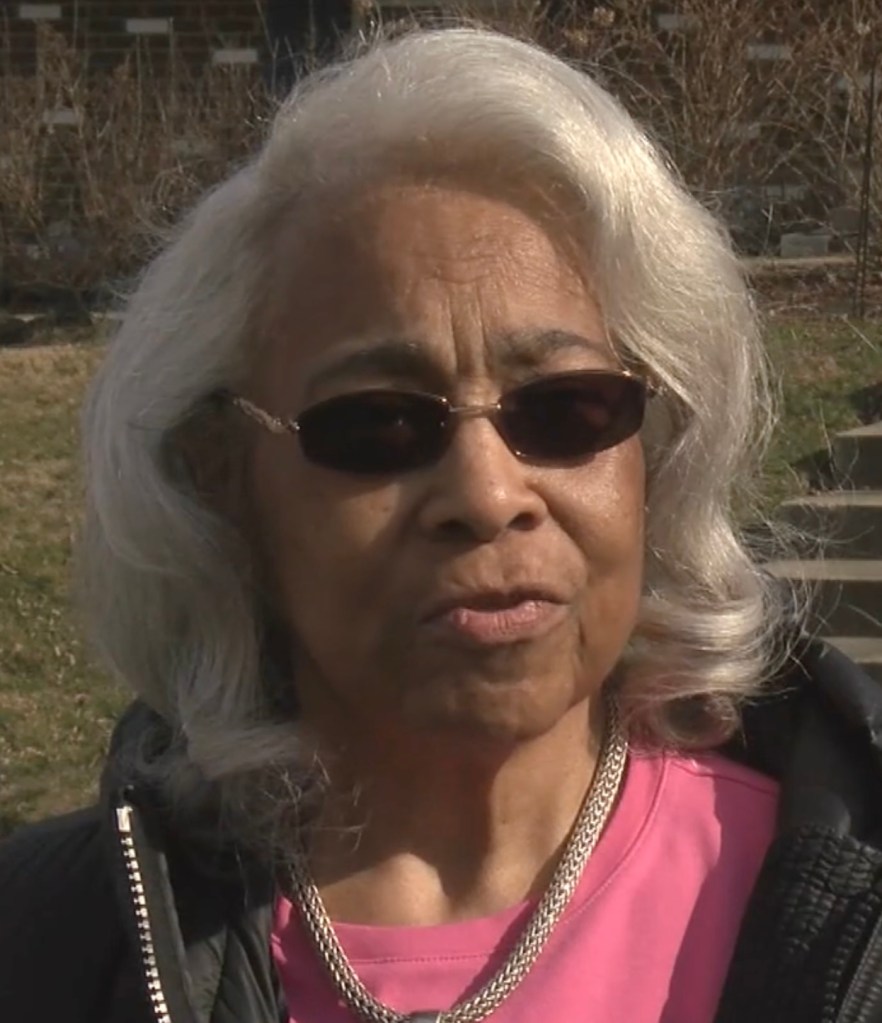
Image from My Linden, My Lyttonsville.
Elmoria Stewart, a lifelong third-generation Lyttonsville resident and Talbot Avenue Bridge Committee member, attended Rosemary Hills Elementary School in 1956. In the documentary My Linden, My Lyttonsville, she shares her experience as a Black student at the school (click link and go to 42:48).
Ira Malamut
Two memories come to mind from 70 years ago:
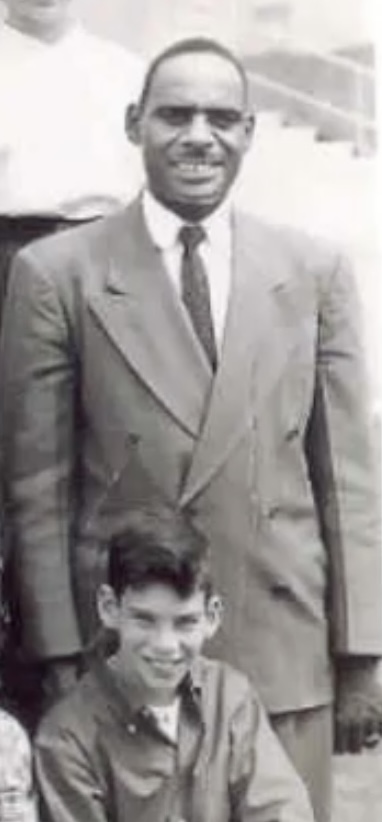
My teacher, Mr. Waters, had served in WWII, and brought home a parachute from the war. He cut it up and brought the pieces into our classroom and gave out a piece to each of my fellow classmates.
For some unknown reason (at least to me), Mr. Waters taught the class to sing the song “Santa Lucia.”
Note: According to the 1956 Montgomery County Sentinel article above, Mr. Waters was one of four African American teachers assigned to Rosemary Hills Elementary School in 1956–“the largest number assigned to any one integrated school in the county” at that time.
Memories of Attending Woodlin Elementary School in the 1950s
Wanet Crutchfield Tyson
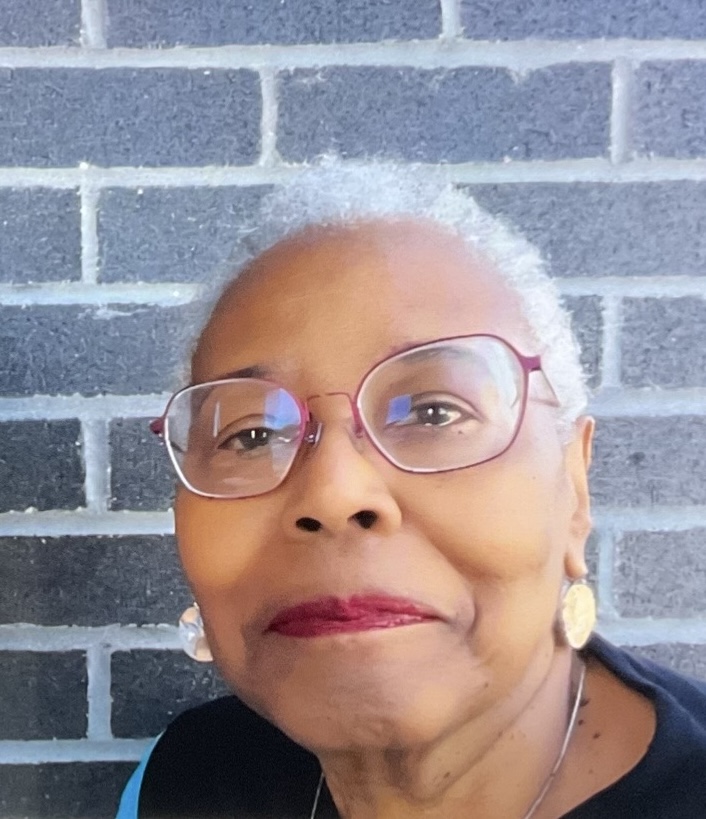
Attending Rollingwood and Woodlin Elementary Schools in Silver Spring, Maryland during the period immediately following school desegregation remains one of the defining chapters of my childhood.
Despite the turbulent social climate of Montgomery County at large, my daily life inside the classroom was defined by an environment that allowed me to learn and to grow. I never experienced overt racism from my classmates or my teachers.
My first year at an integrated school was in second grade at Rollingwood Elementary School. After one year, the children who lived in my enclave in the African American community of Linden were transferred to Woodlin Elementary School.
Upon entering the hallways of Woodlin Elementary SchooI in 1956, I was a little nervous. However, I was pleasantly surprised by the friendliness of students and teachers. I never experienced overt racism within the walls of the classrooms or on the playground. My siblings and I participated in school activities and recreational programs at Woodlin during summer breaks.
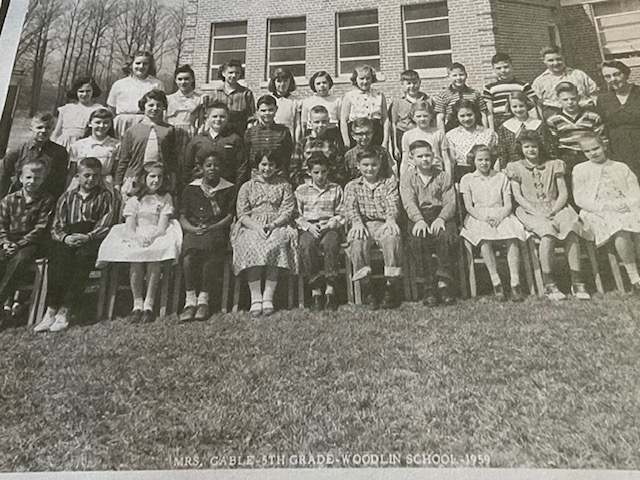
My fourth-grade year was particularly transformative, entirely due to an outstanding teacher who refused to let any of her students slip through the cracks. She took a special interest in making sure the African American students in her class succeeded. She recognized our intellect and nourished it. When the school year drew to a close, she didn’t just wish us a good break; she gave lessons and supplies to work with over the summer, ensuring our academic momentum.
Yet, my bubble of acceptance was punctured when I was invited to visit the home of a white classmate/friend after school. We were outside, playing just as we did at recess, when her father walked in the yard. Our fun and laughs vanished instantly when her father looked down at me and sharply asked his daughter why a “colored girl” was at his house.
I froze, but before the silence could stretch, my friend spoke up. Her response was absolutely remarkable for a child her age. Looking directly at her father, she said with complete innocence and conviction, “She is just like me. Her blood is the same color as mine.” Her father was silenced and walked into the house. Although the encounter left an indelible memory, it is her wisdom—not his hatefulness—that stays with me. Decades later, I still marvel at such profound insight from a nine-year-old girl. In a world that was still fractured by division, she already understood that at our core we are all the same. To this day, I look back on that moment and wonder where she learned such beautiful wisdom.
In the aftermath of that painful event, the positive experiences with the teachers and students at Woodlin Elementary School and the values I learned at home, church, and in my community were even more vital in fostering an environment where I felt safe and could grow and learn. Woodlin Elementary was the academic foundation that drove my success in junior high school and high school.
Have any memories of attending Rosemary Hills ES or Woodlin ES in the 1950s that you would be willing to share? Email the Talbot Avenue Bridge Committee at talbotavenuebridgecommittee@gmail.com.

